Understanding The Complete Recovery Phase Following Joint Replacement In Foreign Clinics
What Is Total Hip Replacement Surgery?
Your hip joint is a ball and socket. Smooth rubbery tissue called cartilage protects these bones. Over time, arthritis wears down this smooth tissue. The bare bones then rub together and cause deep pain. A total hip replacement surgery fixes this joint. The doctor takes out the bad bone parts. Next, the doctor puts in artificial parts made of metal or plastic. These new parts let you move without pain. But you need a full checkup first. Your doctor will test your body to see if surgery fits you.
What Is HipHospitals.com
HipHospitals.com is a global healthcare and medical travel guide. The platform connects patients with trusted global medical centers. It also links you to skilled hip replacement surgeons worldwide. You can look at many treatment paths in one spot. The website also gives you clear pricing estimates for your trip. It helps you find international patient teams at foreign clinics. You can also get help with your hotel and ride plans. The site acts as an honest partner for all your travel questions.
Why Do People Consider Hip Replacement Surgery Abroad?
Many people try medical tourism for hip replacement to save money. Hospital fees are much lower in some places. In some towns, patients must wait months for an open date. Going abroad helps them get care right away. Other people travel to meet famous joint doctors. Good global clinics also give travelers special guides and private rooms. But traveling for surgery can have real health risks. Long airplane flights can cause dangerous blood clots in your legs. You must think about your safety before you think about money.
How Much Does Hip Replacement Surgery Cost?
Many things change your final hip replacement surgery cost. The country you choose makes the biggest price difference. Your hospital and surgeon also charge their own rates. Newer artificial joints can cost extra money too. You will pay for blood tests, X-rays, and your hospital room. You also need medicine and special walking therapy after surgery. Do not forget travel costs like plane tickets and hotels. Prices on websites are just general guides. You must always ask for a full written price sheet.
Hip Replacement Cost by Country
Prices change across borders because daily hospital costs differ. Here is a simple comparison table with sample prices.
| Country | Example Cost Range | What Patients Should Check |
| India | $5,000 to $8,000 | Hospital quality and surgeon skill |
| Thailand | $8,000 to $13,000 | Full treatment package deals |
| Turkey | $6,000 to $10,000 | Doctor licenses and clinic badges |
| Mexico | $7,000 to $12,000 | Travel plans and follow-up care |
| United States | $30,000 to $50,000 | Total treatment cost with tests |
These numbers are only simple examples for your research. They are not fixed quotes or price promises.
How to Find the Best Hospitals for Hip Replacement
The best hospitals for hip replacement depend on your personal health needs. No single hospital is the right pick for every person. You must check if the clinic holds global safety badges. These safety badges prove the clinic keeps rooms very clean. Clean rooms stop bad germs and dangerous infections. Look for clinics with busy joint replacement wards. You should also check if the hospital has a good emergency room. Make sure they have staff who speak your own language fluently.
Choosing Hip Replacement Surgeons
You must pick your doctor with great care. Check where your doctor went to medical school. Make sure your doctor has an active government license. Experienced hip replacement surgeons do this surgery every single week. Ask your doctor which artificial joint brand they prefer to use. A good doctor will explain all surgical risks clearly. They will also talk about your walking recovery plan. Never feel shy about asking questions. You must feel safe and fully heard before your surgery day begins.
What Medical Tourism for Hip Replacement Involves
Medical travel follows an orderly, step-by-step path. First, you gather your home medical records and joint pictures. A foreign doctor reviews your files and designs a care plan. Next, the clinic sends you an estimated price quote. HipHospitals.com helps you compare these clinics side by side. Then you pick your clinic and book your flight tickets. A caring medical tourism company can help book your rides and hotel. You fly in, have your surgery, and rest quietly. Lastly, you see the doctor for a checkup before flying home.
A Simple Medical Travel Plan
Smart planning keeps your medical trip smooth and safe. First, talk to your hometown doctor about your travel plans. Next, ask for copies of all your health records. Compare costs and safety scores across three different clinics. Check if your price quote covers food, tests, and rides. Book a comfortable hotel close to your chosen medical clinic. Always ask a family member to travel with you. Plan for extra recovery days before you fly back home.
| Step | Focus Area | Action Step |
| Step 1 | Doctor Talk | Ask your hometown doctor if you can fly |
| Step 2 | Clinic Check | Compare safety badges and doctor past records |
| Step 3 | Price Review | Get a full written quote with all tests included |
| Step 4 | Travel Setup | Book flights, local drivers, and a ground-floor room |
| Step 5 | Healing Time | Schedule rest days before your return flight home |
Real-Life Scenarios
An older man from the United Kingdom faced a long two-year wait for surgery. He used medical travel to get care in India within three weeks.
A self-employed woman had no private health insurance in America. She found affordable hip replacement surgery in Mexico and saved her savings.
A retired teacher traveled to Thailand for a hip operation. He stayed at a calm beach hotel to finish his walking therapy safely.
Common Mistakes to Avoid When Planning Care Abroad
Picking a clinic only because it offers the lowest price.
Forgetting to verify doctor licenses with official health boards.
Skipping an honest talk with your home doctor before traveling.
Packing your bags without getting complete paper health records.
Booking a return flight home too soon after your operation.
Forgetting to ask what hidden hospital costs might pop up later.
Traveling completely alone without a caring friend or family helper.
Skipping your daily walking exercises during the early healing weeks.
What Recovery Can Look Like
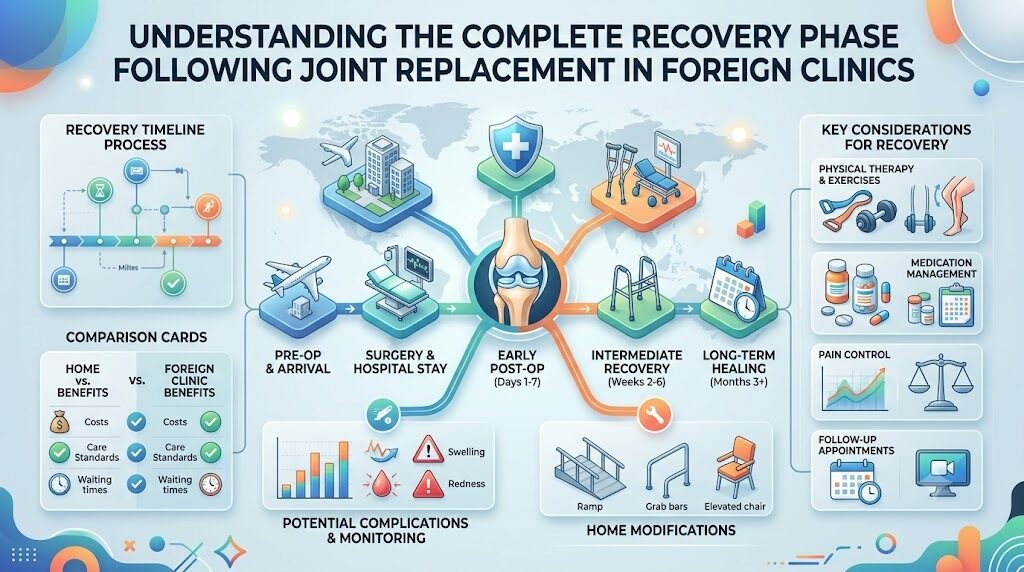
Your healing process begins on your very first day after surgery. Nurses will help you stand up on your new joint quickly. You will use a walker or metal crutches to take small steps. A therapist will teach you gentle muscle exercises every day. Medicine will keep your joint pain low and manageable. You will stay in town for checkups for one or two weeks. Never rush onto an airplane until your doctor says it is safe. Always follow your surgeon's specific rules for your healing hip.
How HipHospitals.com Can Help
HipHospitals.com makes your medical travel research much simpler. You can search verified clinics and joint doctors from your home computer. The site lets you compare costs across several friendly countries. You can read clear guides about total joint care and safety badges. The platform also helps arrange local drivers and cozy patient hotel rooms. It serves as an honest medical travel guide for your whole journey. You can plan your trip with clear facts and peace of mind.
Safe Medical Travel Practices
Your personal safety must always come first on every trip. Talk openly with a licensed doctor before you buy any tickets. Check your chosen hospital for clean rooms and proper safety badges. Ask your doctor how they handle sudden medical emergencies. Keep a neat folder with your medical history and test papers. Set up a follow-up plan with a doctor near your home. Wear tight leg socks during flights to prevent dangerous blood clots. Always drink plenty of water while you heal your joint.
Frequently Asked Questions
1. What is the best country for hip replacement surgery?
The best country for hip replacement surgery depends on your own budget, travel time, and comfort. Many people pick India or Thailand for lower hospital fees. Other patients choose Mexico because the airplane flight is short. You should pick a country with modern clinics, skilled doctors, and strict safety rules.
2. How much does a hip operation cost abroad?
A typical hip surgery abroad costs between $5,000 and $15,000 in popular travel spots. In the United States, the exact same care can cost over $40,000. Your final bill depends on your clinic, your room choice, and the brand of artificial joint your doctor uses.
3. Is it safe to get a new hip joint abroad?
Yes, surgery abroad can be very safe if you pick an accredited hospital. You must verify that your surgeon holds proper medical licenses. Make sure the clinic uses clean tools to prevent infections. Always ask your home doctor if your body is strong enough for medical travel.
4. How long must I stay in the foreign country?
Most patients stay in the foreign city for ten to fourteen days. You will spend two to four days inside the hospital room. Then you will rest in a nearby hotel for light walking therapy. Your doctor must check your healing hip before you board an airplane home.
5. Can I travel alone for my joint surgery?
You should never travel alone for a major joint replacement surgery. You will need help carrying bags, getting food, and walking safely after surgery. A family member or good friend gives you great safety and emotional support during your trip.
6. What materials make up a new artificial hip?
Artificial hip parts use strong metal, smooth ceramic, and tough plastic pieces. The metal stem fits right inside your thigh bone. A smooth ball attaches to the stem and spins inside a durable cup. Your doctor picks the safest material for your age and body weight.
7. How long will my new hip joint last?
Most modern artificial hip joints last for twenty years or even longer. You can protect your new hip by keeping a healthy body weight. Avoid heavy jumping or running sports that wear out the plastic parts. Daily walking keeps your surrounding joint muscles strong and healthy.
8. Will I need physical therapy after my surgery?
Yes, you must do light physical therapy to heal your joint correctly. A trained therapist teaches you how to walk, sit, and climb stairs safely. Gentle exercises rebuild your leg strength and keep your new joint moving smoothly without pain.
9. When can I fly back home safely?
Most doctors say you can fly home seven to ten days after surgery. Flying too early raises your risk of dangerous leg blood clots. You must stand up, stretch your legs, and wear compression socks during your flight home.
10. What documents must I take on my trip?
You must pack your passport, travel visa, home medical records, and joint X-ray images. Bring a list of your daily pills and all written clinic quotes. Keep these important papers inside your carry-on bag so they never get lost at the airport.
11. Does health insurance pay for surgery abroad?
Some private insurance policies cover care abroad, but many basic plans do not. You must call your insurance company before booking any medical trip. Ask them if they pay for foreign hospital stays, doctor fees, or emergency travel flights.
12. How does HipHospitals.com help me pick a clinic?
HipHospitals.com helps you compare foreign clinics, specialist surgeons, and procedure prices in one place. The platform lets you read practical hospital details and request written treatment estimates. It saves you research time so you can find quality care that matches your budget.
Conclusion
Hip replacement surgery abroad can help you walk without pain and save you money. But a safe medical trip requires careful thought and clear planning. Never pick a foreign hospital just because it seems cheap. Always check doctor licenses, clinic safety badges, and travel recovery plans. Talk with your home doctor before you make any final medical choices. Platforms like HipHospitals.com can guide your hospital search and give you helpful travel facts. With the right care and good planning, you can look forward to a happy, active life on your feet.