Exploring Common Gut Problems And Finding Qualified Specialists For Safe Medical Treatment
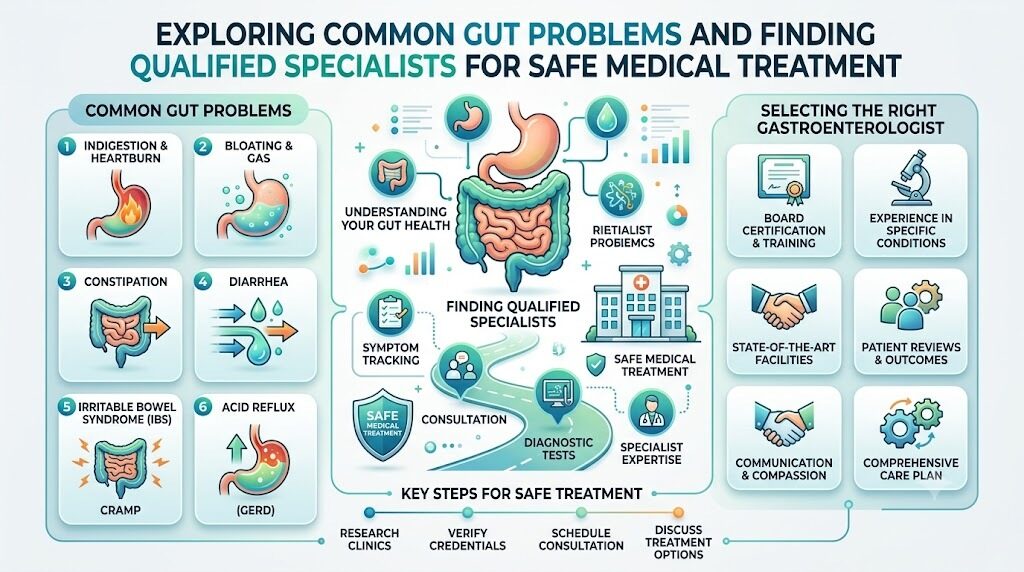
What Is Gastroenterology?
Gastroenterology is the medical study of your digestive system. This system includes your food pipe, stomach, and bowel. It also includes organs like your liver, gallbladder, and pancreas. A gastroenterologist is a doctor who cares for these body parts. These doctors know how food moves through your body. They also know how your body absorbs good nutrients.
People visit a gastroenterologist for many common reasons. Some people have ongoing stomach cramps or gas. Others notice burning in their chest after eating meals. These doctors run tests to find the cause of pain. Then, they build safe care plans to help you heal.
How GastroHospitals.com Can Help
GastroHospitals.com is a helpful website for digestive health information. Families and patients use it to learn about gut care. The platform shares clear facts about common stomach problems. It also features a directory of 50 leading digestive hospitals.
You can explore major care areas on this site easily. These areas cover the liver, pancreas, and bowel health. Users can look up endoscopy tests and advanced surgeries. The site makes it simple to research doctors and medical centers. It offers honest facts so you can ask your doctor good questions.
When Should You See a Gastroenterologist?
You should listen to your body when it feels sick. A small bellyache often goes away after one day. But some warning signs mean you need professional medical help. Ongoing stomach pain is one major warning sign to watch. Frequent heartburn that wakes you at night also needs attention.
You should also watch for frequent watery bowel movements. Blood in your stool is another reason to call a clinic. Some people feel food get stuck in their throat. Others lose weight without trying to diet at all. These symptoms mean you should visit a qualified specialist soon.
Urgent Warning Signs to Know
Some body signs need fast emergency care right away. Severe belly pain that strikes suddenly is very dangerous. You must seek urgent help if you vomit bright blood. Dark or black stools can also show internal bleeding. High fever with severe belly swelling needs immediate medical testing. In these moments, go to the nearest hospital right away.
Common Digestive Disorders
Many people live with common digestive disorders every year. These health issues can make eating or digestion quite painful. GERD causes stomach acid to burn your chest and throat. IBD causes long-lasting swelling inside your digestive tract.
Gastroenteritis is a sudden stomach bug that causes vomiting. Liver disease harms the organ that cleans your blood. Each disorder brings unique symptoms that require careful doctor visits. Getting a medical check helps you find the right path forward. Proper care stops small issues from becoming larger problems later.
| Symptom | What it may need | Possible next step |
| Burning chest pain after meals | Check for acid buildup | Visit a doctor for stomach advice |
| Loose watery stool with fever | Extra fluids and rest | Call a clinic if it lasts days |
| Constant lower belly cramps | Check for bowel swelling | Schedule a visit with a specialist |
| Yellow skin or tired eyes | Blood and liver tests | Go to a liver health center |
Gastroenteritis Treatment
Gastroenteritis is an infection in your stomach and gut. People often call this common problem a stomach bug. It causes nausea, vomiting, watery diarrhea, and belly cramps. Most cases happen after catching a virus or eating spoiled food.
Rest is the first step toward feeling better again. You must also drink plenty of clean fluids. Dehydration means your body lacks the water it needs. Sip oral rehydration fluids, broths, and clear water slowly. Avoid sweet sodas because they can make diarrhea worse.
Knowing When to Call a Doctor
Most stomach bugs go away after two or three days. But severe cases require professional gastroenteritis treatment from a doctor. Call a clinic if you cannot keep liquids down. Seek help if you feel dizzy when standing up. Watch for a high fever that does not drop. Doctors can give special fluids through an arm vein if needed.
GERD Treatment
GERD stands for gastroesophageal reflux disease. In simple words, stomach acid flows back into your food pipe. This acid irritates the soft lining of your throat. People with GERD often feel painful burning in their chest. They may also taste sour liquid in their mouth.
Doctors offer several paths for safe GERD treatment. First, they suggest eating smaller meals during the day. You should also avoid eating right before going to bed. Raising your head while sleeping can stop acid from rising. Doctors may suggest antacid medicines to lower stomach acid. If medicines do not help, doctors may discuss surgery.
IBD Treatment
IBD stands for inflammatory bowel disease. This term describes long-term swelling inside the digestive tract. The two main types are Crohn's disease and ulcerative colitis. Crohn's disease can strike any part of your gut. Ulcerative colitis affects the lining of your large intestine.
Patients often need tailored IBD treatment for their daily health. Doctors use special medicines to calm inflammation in the gut. These medicines help your digestive tract heal over time. Doctors monitor your blood and bowel regularly to check progress. In severe cases, patients may need surgery to remove damaged tissue.
Liver Disease Treatment
Your liver is a large organ that cleans your blood. It removes harmful toxins and helps you digest meals. It also stores vital energy for your daily activities. Liver disease stops this hard-working organ from doing its job. Fatty liver, viral hepatitis, and cirrhosis are common liver problems.
A doctor plans liver disease treatment based on the cause. Some patients need medicines to fight off harmful viruses. Others need lifestyle changes like eating healthy food and avoiding alcohol. Doctors also run regular blood tests and sound wave scans. Advanced liver damage may require expert hospital care or a transplant.
Colonoscopy Procedure
A colonoscopy procedure is a common medical test for your bowel. Doctors use it to look inside your entire large intestine. They use a thin, flexible tube with a tiny light. This small camera shows clear video on a computer screen.
You must prepare your bowel the day before the test. This preparation involves drinking a special liquid that clears your bowels. The clean bowel helps the doctor see tissue clearly. During the test, medicine keeps you relaxed and free of pain. The test takes about thirty minutes from start to finish. You then rest until the sleepy medicine wears off.
Gastrointestinal Surgery
Gastrointestinal surgery treats severe problems in your digestive system. Doctors turn to surgery when medicines do not solve the problem. Surgeons can fix tears, remove blockages, and repair swollen organs. They always pick the safest surgical method for each patient.
Common surgeries include gallbladder removal and colectomy to remove damaged bowel. Surgeons also perform gastrectomy to take out part of the stomach. Some operations treat liver tumors or clear diseased pancreatic tissue. Many surgeons use tiny cuts and cameras to speed up healing. Your surgical team will guide you through every step of recovery.
How to Compare Gastroenterology Hospitals
Choosing a hospital is an important family health decision. You should compare several factors before picking a digestive center. First, look for hospitals with experienced digestive specialists on staff. Good hospitals offer modern diagnostic equipment for safe endoscopic exams.
You should also check the location of the hospital building. A closer hospital makes travel easier during busy treatment weeks. Always ask if the hospital accepts your private health insurance. Make sure the facility provides round-the-clock emergency care for gut pain. Finally, look for teams that offer clear follow-up care plans.
| Factor | Why it matters | What to check |
| Specialist team | Experienced doctors give better care | Board certifications and years of work |
| Modern tools | Good tools find problems faster | Advanced endoscopy and imaging machines |
| Location | Short trips reduce travel stress | Distance from your home and traffic |
| Insurance coverage | Lowers your personal medical costs | Accepted insurance lists and payment rules |
| Emergency unit | Fast help saves lives during flares | 24-hour digestive emergency care |
Real-Life Scenarios / Experiences
Managing sudden food bugs at home: A young father caught a sudden stomach virus after dinner. He felt nauseous and could not eat solid food for hours. He drank oral rehydration salts slowly throughout the entire day. His fever broke, and his stomach calmed down by day two.
Seeking help for lasting chest burning: A busy office worker felt chest burning almost every evening. Antacid tablets from the store stopped working after two months. She scheduled a clinic visit to see a gastroenterologist. The doctor adjusted her diet and gave her medicine that worked.
Preparing smoothly for a bowel exam: A grandfather needed a routine bowel screening test at age fifty. He followed the liquid prep diet steps written on his paper. The doctor found and removed two small tissue spots safely. The patient rested at home that afternoon and felt fine.
Finding care for chronic belly cramps: A college student dealt with constant diarrhea and belly cramps. Her doctor ran blood tests and discovered early bowel inflammation. The specialist created a daily medicine plan that stopped the pain. She now enjoys attending classes without worrying about bathroom trips.
Common Mistakes to Avoid When Choosing Care
Ignoring mild symptoms for months: People often wait too long before visiting a doctor. Solution: Book a checkup if pain lasts more than one week.
Looking only at hospital distance: A close hospital might lack expert digestive specialists. Solution: Research the doctor directory before making your choice.
Forgetting to check insurance plans: Out-of-network hospital visits can bring high surprise bills. Solution: Call your insurance company to confirm hospital network coverage.
Skipping test preparation rules: Dirty bowels force doctors to cancel your colonoscopy exam. Solution: Follow all liquid diet and cleaning steps very carefully.
Stopping prescribed medicine early: Symptoms can return quickly if you quit medicine early. Solution: Always finish your medicine course unless your doctor stops it.
Relying on random forum posts: Online strangers often share harmful or incorrect health advice. Solution: Read trusted medical guides and speak with real doctors.
Overlooking emergency care services: Severe stomach attacks require fast 24-hour hospital care. Solution: Confirm the hospital runs an open emergency care room.
Not asking about follow-up support: Healing often requires diet changes and repeat checkups. Solution: Pick a medical clinic that offers clear recovery visits.
How GastroHospitals.com Fits Into Your Research
GastroHospitals.com connects hospital discovery with helpful digestive health education. You can read simple articles about stomach bugs and acid reflux. The website explains complex digestive treatments in plain, everyday language. It also covers common surgical choices like gallbladder and bowel operations.
Patients can browse the directory to discover the best hospitals for gastroenterology. You can read about qualified gastroenterology doctors and their medical backgrounds. The platform helps you learn about common diagnostic procedures without confusion. GastroHospitals.com gives you the knowledge to hold productive talks with your doctor.
Frequently Asked Questions
1. What does a gastroenterologist do every day?
A gastroenterologist examines, diagnoses, and treats conditions in your digestive tract. They look after your stomach, intestines, liver, and pancreas. These doctors perform tests like colonoscopies to spot internal problems early. They also prescribe medicines and suggest healthy lifestyle changes. They work closely with surgeons whenever an operation becomes necessary.
2. When should I book a visit with a stomach specialist?
You should book a visit if stomach pain lasts several days. Make an appointment if you suffer from daily heartburn or acid reflux. Trouble swallowing food is another clear sign to see a specialist. Unexplained weight loss and ongoing diarrhea also require expert medical checks. A specialist will help find the root cause of your pain.
3. What is the difference between IBD and IBS?
IBS is a functional disorder that causes cramps, bloating, and diarrhea. It does not cause physical inflammation or tissue damage inside the gut. IBD causes visible swelling, sores, and tissue damage in the intestines. IBD includes serious conditions like Crohn's disease and ulcerative colitis. Doctors use different medicines and tests to treat each health problem.
4. How long does a colonoscopy procedure usually take?
The actual exam takes about twenty to forty minutes to finish. But you will spend about two hours at the medical clinic. Nurses need time to prepare you and give you calming medicine. You will also spend some time resting in the recovery area. A family member must drive you home because you may feel sleepy.
5. Can diet changes cure long-term acid reflux?
Diet changes help reduce acid reflux, but they may not cure it completely. Avoiding spicy foods, coffee, and fried meals can stop acid flare-ups. Eating small meals and not lying down after eating also helps. But many patients still need daily medicines to heal their food pipe. Always discuss your diet plans with a qualified doctor first.
6. What should I drink during a bad stomach bug?
You should drink clean water, oral rehydration solutions, and clear broths. Sip these liquids slowly in small amounts every few minutes. Avoid drinking cow milk, sweet fruit juices, and caffeinated sodas. Sugary drinks pull water into your bowel and make diarrhea worse. Proper fluids keep your body hydrated while your stomach rests and heals.
7. Is gastrointestinal surgery always an open operation?
No, surgeons do not always use large open incisions today. Many doctors use laparoscopic surgery to treat digestive health problems. They make tiny incisions and insert a miniature camera and tools. This minimally invasive method causes less pain for the patient. It also helps patients heal faster and leave the hospital sooner.
8. What causes liver disease in adult patients?
Liver disease stems from several different health causes in adults. Drinking too much alcohol over many years can harm liver cells. Viral infections like hepatitis B and hepatitis C also cause damage. Excess fat buildup in the liver leads to nonalcoholic fatty liver disease. Certain inherited genetic conditions can also affect normal liver function over time.
9. How do doctors check for bowel inflammation?
Doctors use blood tests and stool tests to look for inflammation signs. Stool tests can show active swelling inside your bowel walls. Doctors also use endoscopy and colonoscopy exams to see tissues directly. They can collect tiny tissue samples called biopsies during the test. Scans like MRI or CT scans also show detailed bowel pictures.
10. Can stress make my stomach pain feel worse?
Yes, stress can make your digestive symptoms feel much worse. Your brain and your gut share an active network of nerves. When you feel anxious, your gut can cramp and move faster. Stress can cause bloating, stomach pain, and sudden bouts of diarrhea. Relaxing activities and gentle walks can help calm your digestive system.
11. What is an endoscopy test for the upper stomach?
An upper endoscopy lets a doctor see inside your food pipe and stomach. The doctor passes a thin, flexible tube gently down your throat. A tiny camera on the tip sends pictures to a monitor screen. Doctors use this test to find ulcers, swelling, and bleeding spots. Patients receive relaxing medicine so the exam remains painless and quick.
12. How do I know if belly pain is an emergency?
Belly pain is an emergency if it strikes suddenly and feels unbearable. Seek help right away if your stomach feels hard and swollen. Vomiting blood or passing black stool also signals a severe emergency. Having trouble breathing along with chest or stomach pain requires instant hospital care. Call emergency services or go to the nearest hospital right away.
Conclusion
Taking good care of your digestive health keeps your whole body strong. Paying attention to warning signs helps you catch medical problems early. Doctors and modern hospital teams can guide you toward safe, effective treatments. Exploring sites like GastroHospitals.com makes it easy to research hospitals and doctors. You can learn about treatments, tests, and surgeries before visiting a clinic. Never try to treat serious digestive pain all by yourself at home. Always discuss your personal symptoms and care options with qualified healthcare professionals.